What is color season analysis — and why it changes everything you buy
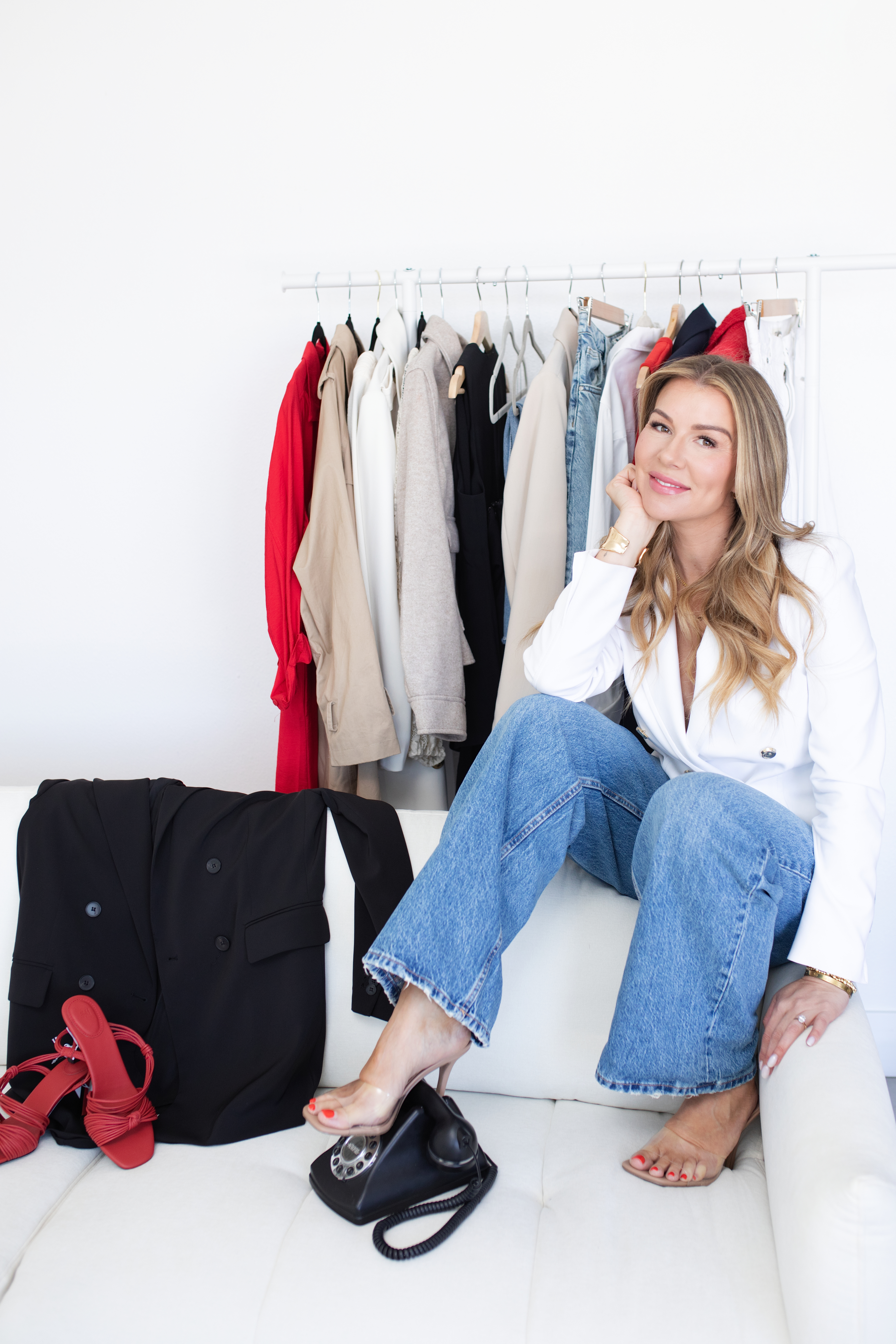
There is a specific kind of frustration that comes from standing in a dressing room in a beautiful top — the right price, the right silhouette, the right everything — and feeling somehow worse than when you walked in. You blame the lighting. You blame your skin. You buy it anyway, wear it once, and hang it at the back of the closet. The problem, almost always, is color.
Color season analysis is the system that explains why certain colors make you look awake, healthy, and composed while others do the opposite. It has been around in various forms since the 1980s, and it has earned its staying power. Once you understand it, you cannot unsee it.
What the system actually measures
Your color season is not about personal preference. It is determined by the natural undertones in your skin, hair, and eyes — and specifically where those undertones fall along two axes: warm versus cool, and light versus deep. The four traditional seasons — Spring, Summer, Autumn, Winter — each map to a family of colors that harmonize with a particular combination of those qualities.
Spring is warm and light: peachy, golden, clear. Summer is cool and light: soft, ashy, muted. Autumn is warm and deep: rich, earthy, spiced. Winter is cool and deep: high-contrast, vivid, or purely stark. Most people land clearly in one quadrant. Some sit at a border, which is where professional analysis becomes especially useful.
When you wear colors within your season, your complexion looks even and clear, your eyes read brighter, and your face appears more rested than it did when you woke up. When you wear colors outside your season, the reverse happens — fine lines come forward, under-eye circles deepen, and the garment seems to wear you instead of the other way around.
"The most common thing I hear after a color analysis is: I thought I just didn't photograph well."
Why it changes what you buy
Most shopping happens on instinct — you reach for what catches your eye, what you liked on someone else, what is trending. The problem is that trends are designed around a single arbitrary palette each season, not around your undertones. When your instincts have been trained by years of buying the wrong colors and wondering why they feel slightly off, the instinct itself cannot be trusted.
Knowing your season gives you a filter that works in every store, at every price point, in every season. You stop deliberating over a rack of ten blouses and walk straight to the three that will actually work. You stop buying neutrals in the wrong temperature — the beige that looks sallow on you, the white that reads grey against your skin. You start building a wardrobe where everything connects.
What analysis actually looks like
A proper color analysis happens in natural light. It uses physical fabric swatches held against your bare face — not a photograph, not a quiz, not an algorithm. A trained eye reads how your skin responds to each color family: whether it looks lifted or flat, even or blotchy, alive or tired. The result is not a list of rules. It is a clear understanding of your own palette and the reasons behind it, which means you can apply it yourself every time you shop.
Color analysis is the first thing I do in every Style Portrait session. By the end of an hour you will know your season, your best neutrals, your most flattering accent colors, and the tones to leave on the rack — with the reasoning that makes the knowledge stick. Shopping stops feeling like a gamble.
If you have been thinking about working with a stylist, the Style Portrait is where most of my clients start.
Book a Style Portrait — $500 →